
Event Activations That Drive Results: Strategy, Execution, and What Most Brands Miss

How to Turn Experiential Marketing
Into Measurable Business Results

This past weekend at the Acura Grand Prix of Long Beach, we walked the track with a client, met with students exploring careers in motorsports, and observed a wide range of event activations in real time.
From global stages like the Olympic Games and the Super Bowl to festivals like Coachella Valley Music and Arts Festival and major trade shows, brands are investing heavily in experiential marketing.
But here’s the reality:

Most event activations generate attention...
Far fewer generate measurable business results.
What Is an Event Activation?
Event activations, also known as experiential marketing activations, are branded, in-person experiences designed to engage audiences and drive interaction.
Common Types of Event Activations:
Interactive brand installations
Product demonstrations and sampling
Pop-up experiences
VIP hospitality and sponsorship activations
Community and educational activations

Why Event Activations Matter:
Increase brand awareness
Drive customer engagement
Capture first-party data
Support lead generation and revenue growth
When done correctly, event activations become a revenue-driving marketing channel, not just a branding exercise.

What High-Performing Event Activations Actually Do

Interactivity Drives Engagement
High-performing activations are participatory. If attendees can:
Touch
Try
Experience
They are significantly more likely to remember your brand and take action.

Utility Increases Dwell Time
Providing real value increases how long attendees stay engaged.
Examples:
Phone charging stations
Seating and shade
Food and beverage sampling
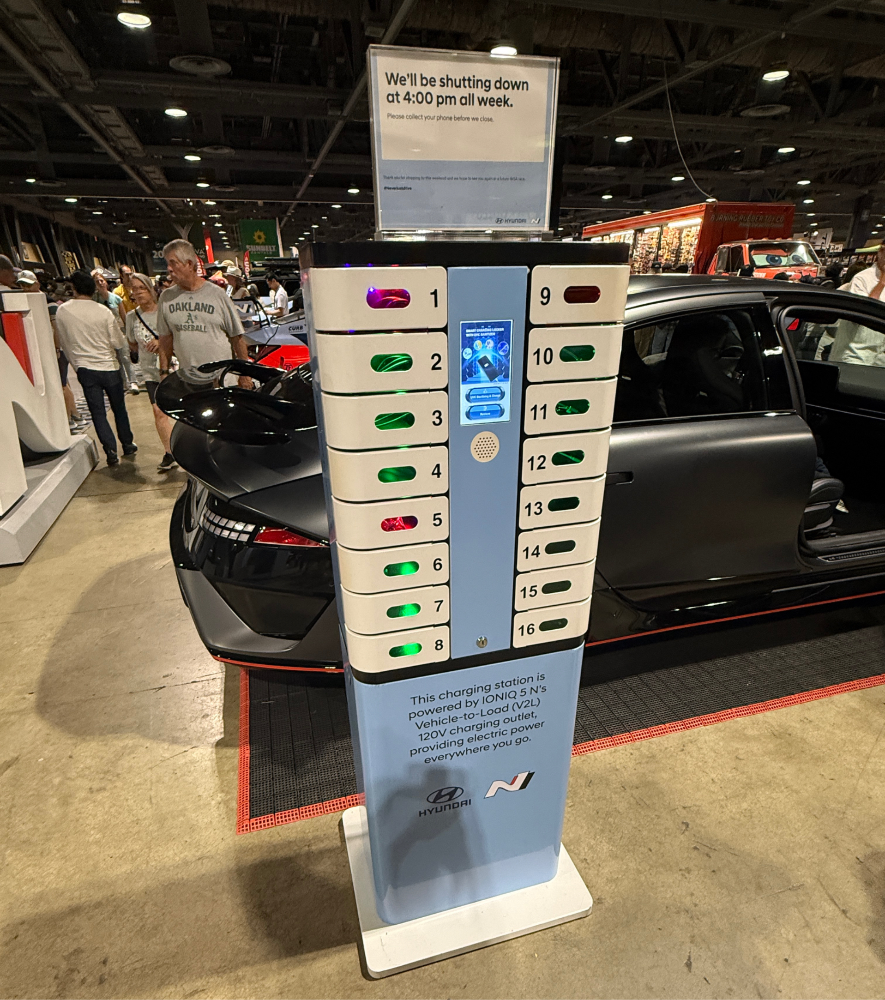
Longer dwell time = deeper engagement = higher conversion potential

Experience Outperforms Giveaways
Giveaways alone are no longer effective. A t-shirt is forgettable.An experience tied to that t-shirt is memorable.

Top-performing brands connect giveaways to a meaningful, branded interaction

The Biggest Failure Point: Infrastructure and Connectivity
One of the most overlooked risks in event marketing strategy is execution infrastructure. At large-scale events, vendors consistently report:
Weak or unreliable WiFi
Limited connectivity due to crowd density
Signal restrictions in controlled environments
This becomes even more critical as Los Angeles prepares for:
FIFA World Cup 2026
Super Bowl LXI
2028 Olympic and Paralympic Games
What Happens When Infrastructure Fails?
QR codes don’t load
Promo codes fail
Lead capture is incomplete
Customer experience breaks down
The 5 Non-Negotiables for High-Performing Event Activations
1. Infrastructure (WiFi, Power, Connectivity)
If this fails, the activation fails.
2. Flow and Experience Design
Clear pathways and intuitive engagement points.
3. Staffing and On-Site Support
Trained staff to guide, troubleshoot, and enhance interaction.
4. Clear Conversion Path
Defined goals:
Lead capture
Purchase
Follow-up engagement
5. Data Capture and Follow-Through
Systems to collect and utilize data after the event.
This is where ROI is actually realized.

Why Strategy and Execution Must Work Together
A common mistake in experiential marketing: Treating strategy and execution as separate. They are not.
Execution is strategy—experienced in real time.
The brands that outperform:
Plan for real-world conditions
Build infrastructure into the concept
Align every touchpoint with business goals
How to Turn Event Activations Into ROI
To drive results, activations must connect to broader business objectives:
Customer acquisition
Brand positioning
Strategic partnerships
Revenue growth
Hiring , recruitment, community goals
Without this alignment, even high-traffic activations fail to deliver measurable value.

Work With Us
At Marketing Edge Events, we design and execute event activations that drive measurable results, not just visibility.


Comments