
How Smart Companies Are Building Workforce Pipelines Through Events and Experiential Marketing

Across Southern California, a clear shift is underway. At large-scale events like the Acura Grand Prix of Long Beach, organizations are not just marketing their brands, they're recruiting, educating, and engaging future talent in real time.

From the Air Force, Marines, and Army to workforce organizations and unions speaking about construction apprenticeship programs, and Long Beach's Ports using public-facing events to introduce people to career pathways they may not have otherwise considered.
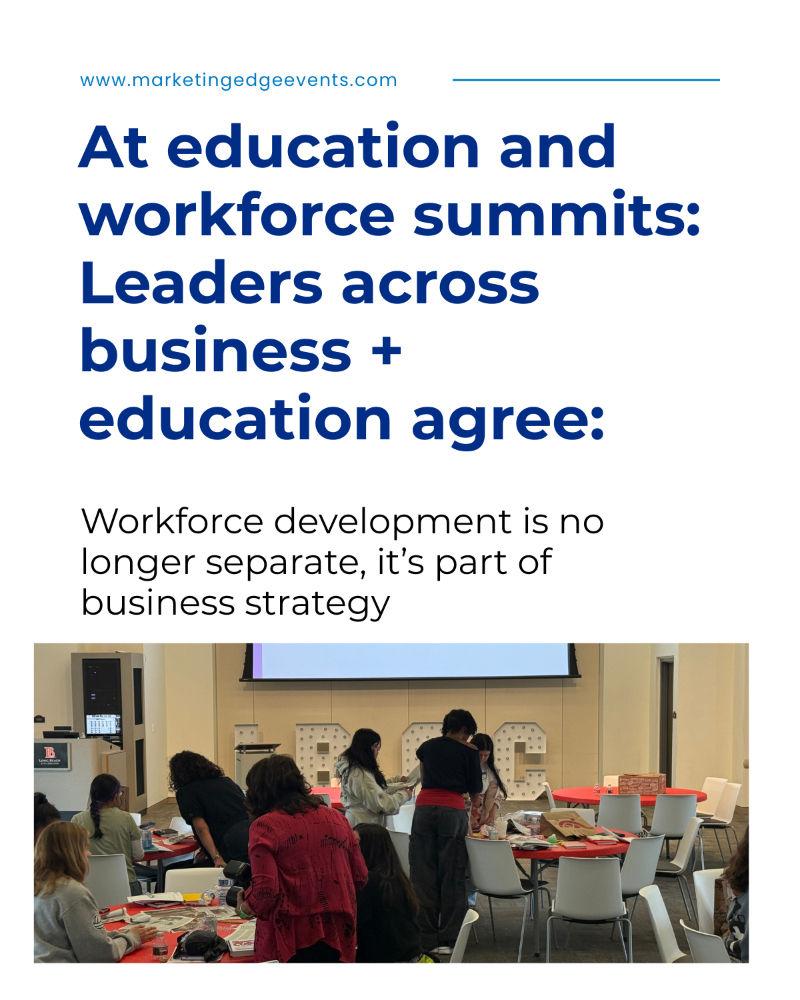
In April, at a Youth Leader's Summit presented by the Junior League of Long Beach Young at Long Beach City College, high school students from across LA and Orange County were gaining early exposure to financial literacy, confidence-building, leadership, college readiness, and career exploration.

And at industry conversations like the Los Angeles Area Chamber of Commerce Business and Education Innovation Summit at Loyola Marymount University, leaders across education, healthcare, and business are reinforcing the same message:
Workforce development is no longer separate from business strategy. It is business strategy. The future of hiring starts long before the job is posted.
Why Traditional Recruiting Models
Are No Longer Enough

For years, recruitment followed a predictable pattern:
Post a job.
Review resumes.
Conduct interviews.
Hire candidates.
That model still exists, but it's becoming outdated and is no longer enough.
Today, organizations are facing ongoing challenges, including:
Talent shortages
Skills gaps between education and industry
Increased competition for qualified candidates
Limited awareness of career pathways among students and early-career workers
A need for more hands-on, real-world training
The companies adapting fastest are no longer waiting for candidates to come to them.
They are building relationships earlier. They are partnering with schools, colleges, nonprofits, industry groups, and community organizations. They are creating opportunities for students and future workers to experience industries before they formally enter the workforce.
In other words, they are shifting from reactive recruiting to proactive workforce pipeline development.

Events Are No Longer Just Marketing
They Are Workforce Strategy
Events have evolved. They are no longer only about visibility, sponsorship, or brand awareness. When designed strategically, events can become powerful platforms for workforce engagement, recruitment, education, and long-term relationship building.
A well-designed event can help organizations:
Introduce their industry to new audiences
Educate students and early-career professionals about career paths
Create hands-on exposure to products, services, and operations
Build relationships with future talent
Strengthen community partnerships
Capture leads and maintain engagement after the event
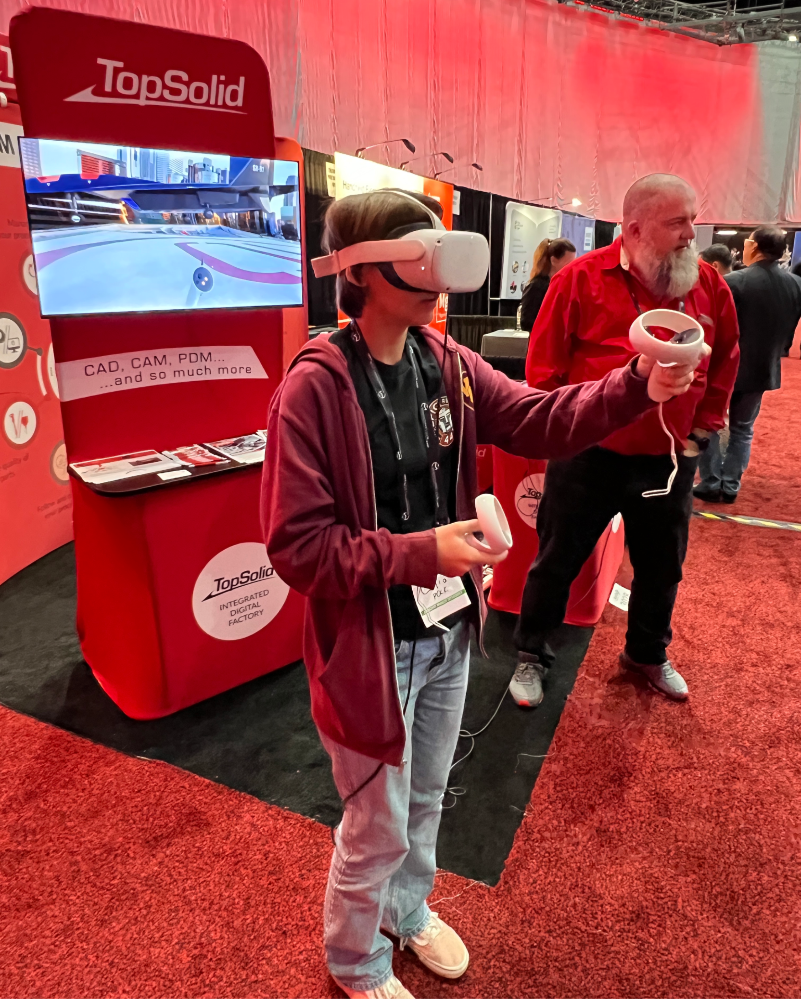
This is where experiential marketing intersects with workforce development.
At Marketing Edge Events, we believe the most successful activations do more than attract attention. They create meaningful interaction, generate useful data, and support measurable business outcomes.
That applies whether the goal is brand awareness, customer engagement, partnership development, or talent pipeline growth.
What a Modern Workforce Pipeline Looks Like
A modern workforce pipeline is not a single event, job fair, or internship posting. It is a connected system of touch points that moves people from awareness to engagement to opportunity.

1. Early Engagement Through Strategic Event Presence
Forward-thinking organizations are showing up earlier — before candidates are actively looking for jobs.
This includes participation in:
Community events
Career summits
Industry expos
School and college programs
Trade shows
Workforce development events
Major public events with high community visibility
Instead of asking, “Who can we hire today?” these organizations are asking:
“Who should we start building relationships with now?” How can we provide the right training to streamline the process.

This shift matters. A high school student may not be ready to apply for a job today, but they may be ready to learn about an industry, meet a mentor, ask questions, attend a trade show, or discover a career pathway they did not know existed.
That early exposure can influence future education choices, internship decisions, apprenticeship applications, and long-term career direction.

2. Experiential Learning That Bridges the Gap
One of the most effective workforce development strategies is giving students and future workers access to real-world environments. Over the years, I have worked with high school and college-age students by taking them into large industry events and trade shows where they could learn directly from companies, professionals, product experts, and industry leaders.
But the value was not simply in bringing students into the room. The value came from preparing them.
That preparation included:
Elevator pitch training
Helping students develop thoughtful questions
Teaching them how to introduce themselves professionally
Pairing students with mentors
Giving them specific goals for engagement
Helping them reflect on what they learned
This transformed passive attendance into active career exploration.
Students gained exposure to:
Internships
Scholarships
Career paths
Industry terminology
Professional expectations
Company cultures
Emerging products and technologies
For employers, these experiences created early access to motivated, prepared future talent.
That is the power of experiential learning. It helps bridge the gap between classroom education and real-world opportunity.

3. Strategic Partnerships Between Business and Education
One of the strongest themes emerging across workforce conversations is the importance of collaboration between business and education.
At the Los Angeles Area Chamber of Commerce Business and Education Innovation Summit, leaders from institutions including LMU, Mount Saint Mary’s University, USC, the Los Angeles Community College District, UC Merced, AltaMed Health Services, Children’s Hospital Los Angeles, and other partners discussed the changing relationship between employers and educators.
The message was clear: Companies can no longer expect education systems to produce fully prepared workers without active partnership.
Industries, especially healthcare, are increasingly working with schools and colleges to create:
Internships
Apprenticeships
Certification pathways
Career exploration programs
Hands-on training opportunities
Work-based learning experiences
This represents a major shift from simply recruiting talent to actively developing talent.
The future belongs to organizations that understand how to collaborate across sectors.

4. Designing for Conversion, Not Just Engagement
Many organizations create awareness but stop there. They attend the event. They set up the booth. They hand out materials. They have conversations. Then the opportunity disappears.
The most effective workforce strategies go further. They design a clear path from first interaction to future engagement.
That may include:
Capturing student or candidate interest
Creating follow-up communication
Inviting participants to future events
Offering shadowing opportunities
Connecting students with mentors
Creating internship or apprenticeship pathways
Tracking engagement over time
This is where events become more than one-time activations. They become part of a larger recruitment and workforce development ecosystem.
How Marketing Edge Events Supports
Workforce Pipeline Strategy
At Marketing Edge Events, we help organizations turn events into strategic marketing, engagement, and workforce opportunities.
Our approach connects:

We do not believe events should exist in isolation. A strong event strategy should support broader business goals, whether that means increasing visibility, strengthening partnerships, engaging customers, building community trust, or developing future talent.
Our services support organizations through:
Activation Strategy and Experience Design
We help define the purpose of the activation, the audience, the message, and the experience. A successful event should not just look good — it should move people toward a meaningful next step.
Operational Planning
We support planning around infrastructure, flow, staffing, logistics, guest experience, and execution details. The best ideas fail when operations are not considered early.
Partnership and Sponsorship Development
We help identify opportunities for collaboration with businesses, nonprofits, educational institutions, civic organizations, and community partners.
Corporate Hospitality and Curated Experiences
We design experiences that help organizations host, connect, and build relationships with the right audiences.
Lead Capture and Post-Event Conversion Strategy
We help organizations think beyond the event itself by creating systems for follow-up, engagement, and measurable outcomes.
Workforce and Recruitment Event Support
We work with organizations that want to use events, trade shows, summits, and community activations to connect with future workers and build long-term talent pipelines.
With major global events coming to Southern California , including the FIFA World Cup, Super Bowl, and LA28 Olympics and Paralympics the opportunity to engage future talent at scale has never been greater.
These events will require hospitality, logistics, transportation, security, food service, construction, operations, marketing, guest experience, volunteer coordination, and countless other workforce functions.
The organizations that begin building relationships now will be better positioned for what is coming.
A Better Question for Organizations
Many companies are still asking:
“How do we fill open roles?”
But the better question is:
“How are we building our next generation of workers?”
That question changes the strategy. It shifts the focus from short-term hiring to long-term workforce development. It encourages organizations to think about:
Where they are showing up
Who they are engaging
What experiences they are creating
How they are partnering with education
How they are following up
How they are converting interest into opportunity
The future of recruitment belongs to organizations that build relationships before they need them.
Final Thoughts: From Events to Ecosystems
The organizations that will lead over the next decade are the ones that understand workforce development as an ecosystem.
They will:
Engage early
Invest in real-world experiences
Build meaningful partnerships
Create hands-on learning opportunities
Design systems, not one-off events
Connect marketing, operations, education, and recruitment
Workforce development is no longer a standalone initiative. It is an integrated strategy powered by experiences, relationships, and execution.
At Marketing Edge Events, we help organizations design those experiences with purpose. If your organization is preparing for upcoming events, exploring education partnerships, or looking to strengthen your workforce pipeline, now is the time to build a strategy that connects your brand, your operations, and your future talent.
Let’s build the next generation of workers, one meaningful experience at a time.
Work with us
Is your organization looking to strengthen its workforce pipeline, create a recruitment activation, or design an event strategy that connects with future talent?
Marketing Edge Events helps organizations turn events into measurable marketing, partnership, and workforce development opportunities.
Contact Marketing Edge Events to start building your strategy.
Frequently Asked Questions About Workforce Development and Event-Based Recruitment
What is a workforce pipeline strategy?
A workforce pipeline strategy is a long-term approach to recruiting that focuses on building relationships with future talent before they are ready to apply for jobs. Instead of only reacting to open roles, companies engage students, early-career professionals, and community members through events, training programs, internships, apprenticeships, and partnerships.
The goal is to create a steady flow of informed, prepared, and engaged candidates over time.
How can events be used for recruitment?
Events can be used for recruitment by creating opportunities for direct engagement with potential candidates. Instead of relying only on job postings, companies can use events to showcase career paths, demonstrate company culture, introduce industries, and build relationships with future talent.
Examples include:
Career summits
Trade shows
Community events
Industry expos
Student engagement programs
Major public events
Workforce development activations
When paired with clear follow-up, events become powerful recruitment and talent pipeline tools.
What is experiential marketing in workforce development?
Experiential marketing in workforce development means creating real-world, interactive experiences that allow students, job seekers, and future workers to engage directly with companies, industries, and career pathways.
This may include:
Hands-on demonstrations
Guided networking
Trade show participation
Mentorship experiences
Career exploration activities
Employer activations
These experiences help participants understand careers in a more tangible way than a brochure, classroom presentation, or job posting alone.
Why are partnerships between education and business important?
Partnerships between education and business help bridge the gap between classroom learning and real-world workforce needs.
When companies collaborate with schools, colleges, nonprofits, and workforce development organizations, they can help create:
More relevant training
Career pathway awareness
Internship opportunities
Apprenticeship programs
Industry exposure
Hands-on learning experiences
These partnerships benefit both students and employers by creating stronger alignment between education and employment.
How can companies attract younger talent?
Companies can attract younger talent by engaging earlier and creating meaningful opportunities for connection.
Effective strategies include:
Partnering with schools and colleges
Participating in community events
Offering mentorship
Creating internship and apprenticeship pathways
Providing hands-on experiences
Clearly explaining career growth opportunities
Following up after events and maintaining relationships
Younger talent is more likely to engage with organizations that invest in their development and provide clear, authentic pathways into careers.
What role will major events like the Olympics, World Cup, and Super Bowl play in workforce development?
Major global events create significant workforce development opportunities because they require large-scale coordination across many industries.
Events like the Olympics, World Cup, and Super Bowl create demand for workers in:
Hospitality
Logistics
Transportation
Food and beverage
Security
Construction
Marketing
Guest experience
Event operations
Volunteer coordination
Organizations that plan ahead can use these events to build awareness, create partnerships, train future workers, and develop long-term talent pipelines.

Comments